

Watch or listen to sermons preached from the pulpit at Fairview Baptist Church.

What Then Shall We Say to These Things?
In Romans 8 the apostle Paul piles up some of the richest promises in all of Scripture—no condemnation for those in Christ, the new birth by the Spirit, adoption as sons and heirs with Christ, a future glory that far outweighs present suffering, and the certainty that God works all things for the good of those who love him. Standing at the end of these cascading blessings, Paul asks the piercing question of verse 31: “What then shall we say…
Sanctify Them in the Truth
In John 17:17, on the night before the cross, Jesus prays for his disciples—and for all who would believe through their word—asking the Father to “sanctify them in the truth; your word is truth.” This sermon explores what it means to be set apart from the world and sin, and set apart for God and his service, through the truth of Scripture. We will see how Christ’s effective intercession keeps us from falling, fills us with his joy, guards us…
Crucified with Christ: Living by Faith in the Son of God
In Galatians 2:20, Paul declares the heart of the Christian life: “I have been crucified with Christ. It is no longer I who live, but Christ who lives in me.” This sermon explores the believer’s union with Christ in his death and resurrection—how we died to the law’s curse and now live by faith in the Son of God who loved us and gave himself for us. From this foundational truth flow three freedoms: freedom from working to earn God’s…
The New Birth: The Life of God in the Soul of Man
What truly makes someone a Christian? Is it heritage, personal choice, good deeds, or even strong feelings? In this message from Titus 3:1–8, we explore the radical reality at the heart of true Christianity—the new birth. God, in his sovereign mercy, has rescued us not because of our works but by the washing of regeneration and renewal of the Holy Spirit through Jesus Christ. This is more than a change of behavior; it is the life of God planted within…
Holy, Holy, Holy: Beholding Christ High and Lifted Up
In the year that King Uzziah died, the prophet Isaiah was given a breathtaking vision of the Lord seated on a throne, high and lifted up, with the train of his robe filling the temple. Drawing from Isaiah 6:1–7, this sermon shows that Isaiah beheld the preincarnate glory of Christ—the radiant King and Priest whose holiness is unmatched. As the seraphim cry “Holy, holy, holy,” the foundations shake, Isaiah is undone by his own sinfulness, and yet mercy flows from…
Christ and the Cross
In 1 Corinthians 2:2 Paul declares, “I decided to know nothing among you except Jesus Christ and him crucified.” This sermon explores why the person and cross-work of Jesus must remain the non-negotiable center of the Christian life, the church, and every home. We will see that this is not a simplistic slogan but a deliberate decision that rejects the world’s message and methods, and that results in the power of God to save and transform, the wisdom of God…
Come to Christ: Rest for the Weary and Heavy Laden
In Matthew 11:28–30, Jesus extends a gracious invitation to all who labor and are heavy laden: “Come to me… and I will give you rest.” This message explores the many ways we become weary—whether through striving to earn God’s favor by our performance, the bondage and consequences of sin, feelings of helplessness in a broken world, or exhaustion in serving others—and points us to Christ, who alone can lift those burdens. Jesus is both the sovereign Lord with all authority…

What is Your Life?
In this passage, James rebukes, corrects, and diagnoses the arrogant attitude of Christian businessmen who make plans in self-confidence and without reference to God. In the course of this message, we are encouraged to know that everything is dependent on God’s will and that we are very limited creatures, and therefore we can live faithfully and confidently as we depend on and submit to the Lord’s will in all our plans.
A Just Society: Protecting Life, Property, and Truth
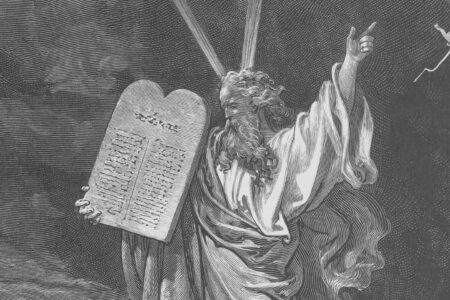
In Deuteronomy 19, God gives laws designed to protect the innocent—through cities of refuge, the safeguarding of property boundaries, and the requirement of multiple witnesses to prevent false accusations. These instructions reveal that true justice flows from a heart that loves God and walks in his ways. As we examine these principles and their ongoing relevance for society today, we are reminded that lasting judicial reform ultimately depends on spiritual reformation through Jesus Christ, the One who brings true justice…
Christ the Prophet
In Deuteronomy 18:15–22 God promises to raise up a prophet like Moses from among Israel’s own people—one who would speak God’s words faithfully and to whom the people must listen. This sermon shows how that promise is fulfilled in Jesus Christ, the greater Mediator of a better covenant, whose words carry God’s own authority and demand our obedience. It also examines the biblical tests for true and false prophets and calls every hearer to examine whether they are truly listening…
Theocracy: Living Under God’s Rule
In Deuteronomy 17:14–18:14, Moses instructs Israel on life under God’s rule as they enter the land—addressing the king, the priest, and the customs that must never mark God’s people. This message clears away common misconceptions about theocracy and shows instead God’s wise design of complementary spheres under his supreme authority. We see the requirements for a godly king, the calling and provision of the priests as ministers of the word, and the absolute prohibition of the occult practices of the…
Justice, and Only Justice
In this message we see God’s call for his people to appoint wise judges and pursue “justice, and only justice” according to his righteous standard. Moses instructs Israel that true justice refuses bribes and perversion, will not tolerate false worship or covenant-breaking treason, and upholds order through proper authority—all so that the people may live and flourish in the land. Far from being a distraction from the gospel, this concern for justice flows from it and ultimately points us to…